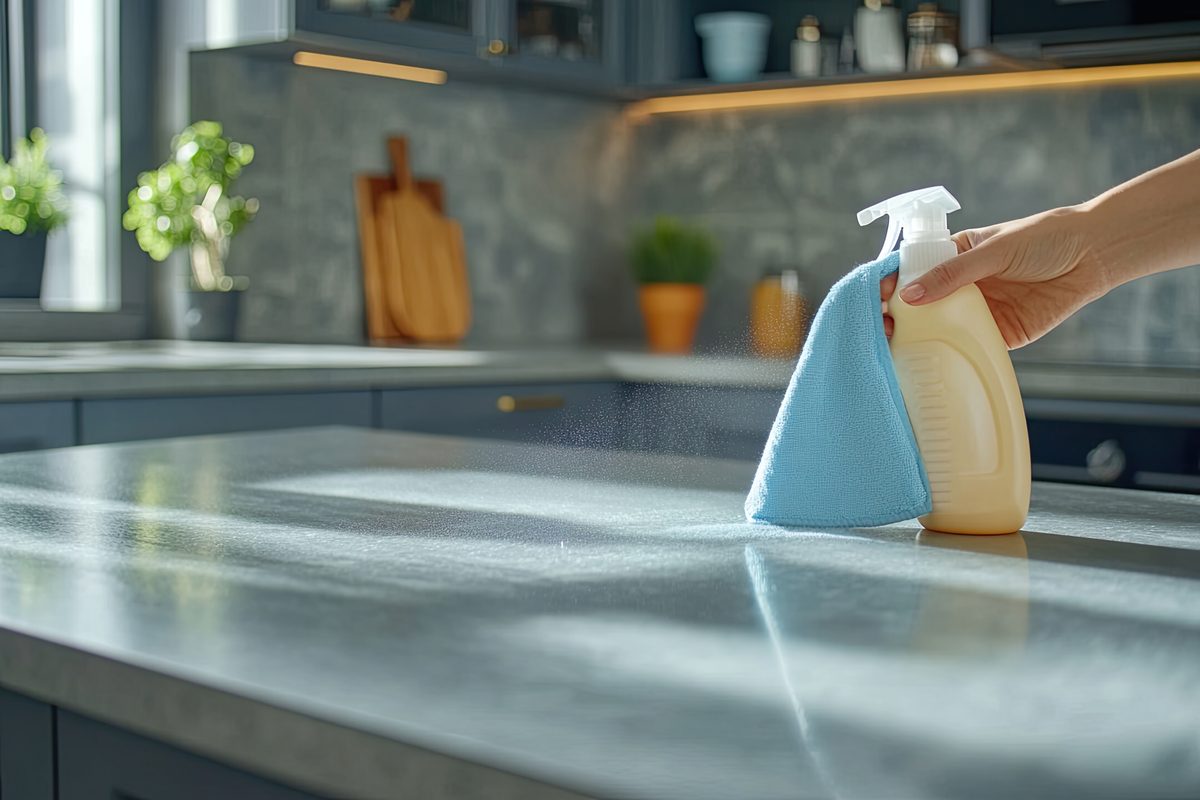
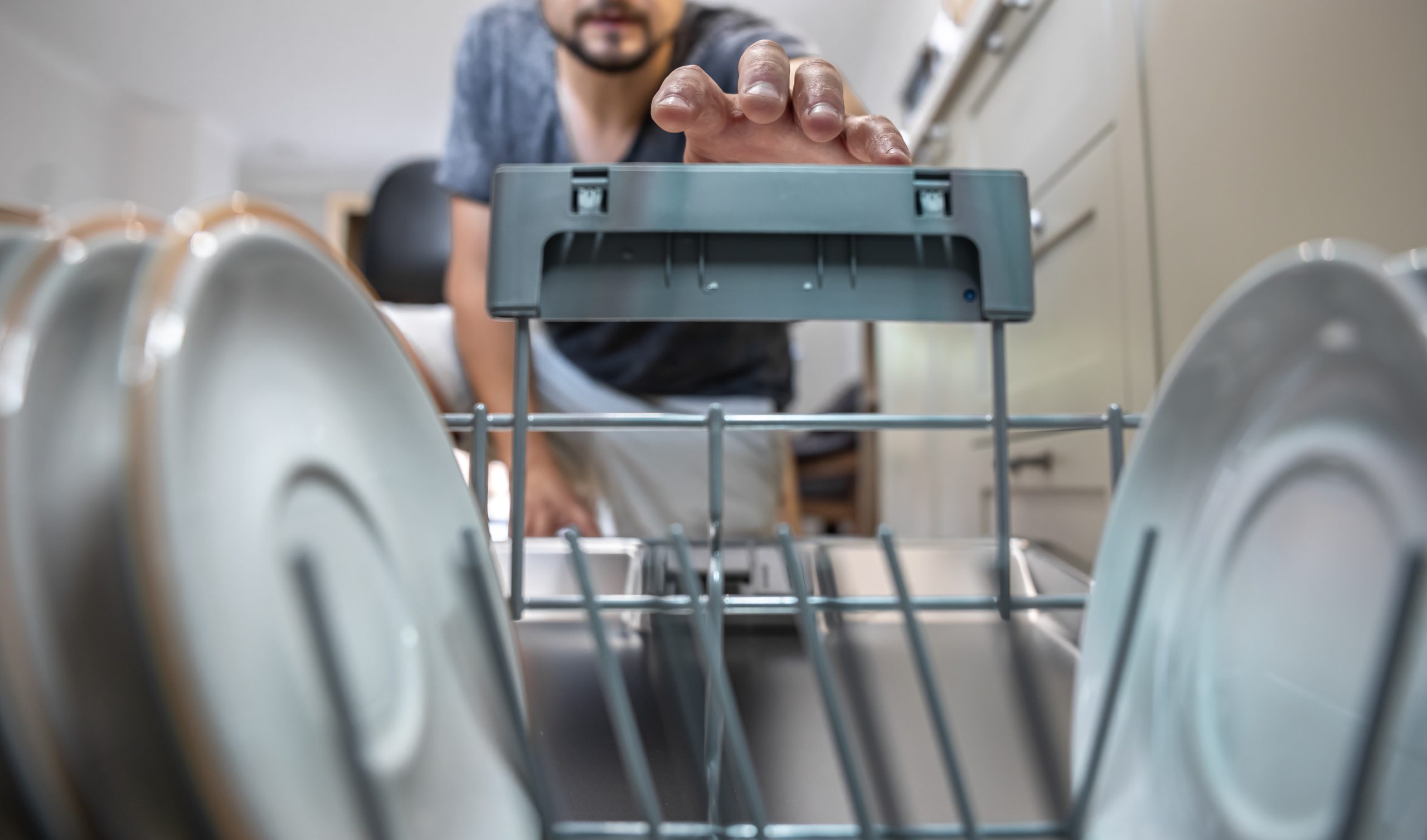
Your dishwasher works hard every day, but it needs some love, too. Deep cleaning keeps it running smoothly and prevents nasty buildup that can mess with your dishes. You’ll need white vinegar, baking soda, a soft brush, and a microfiber cloth to get started. Expert cleaners recommend doing this every few months to avoid clogs and bad smells. This simple routine saves you from expensive repairs down the road.
Importance of Deep Cleaning
Cleaning your dishwasher thoroughly keeps it running right and helps it last longer. Food bits, grease, and soap gunk build up over time, causing clogs and funky odors. This mess doesn’t just make your dishes less clean, it can actually break internal parts. A good deep clean means pulling out the filter, scrubbing the spray arms, removing scale from the inside, and sanitizing everything. This keeps your machine working well and stops you from having to shell out for repairs or a new one.
Supplies You’ll Need
Before you start, grab these items:
- White vinegar (breaks down mineral deposits and grease)
- Baking soda (kills odors and tough stains)
- Soft brush or toothbrush (for scrubbing tight spots)
- Microfiber cloth (for wiping down surfaces)
- Clean toothpick (clears debris from small spaces)
- Dish soap (for that finishing touch)
Having everything ready makes the job way easier.
Preparing the Dishwasher
Make sure your dishwasher is empty before you do anything. Take out all dishes, utensils, and racks. Check the drain for food particles or junk that might be clogging it. Look at the spinning arms to see if anything’s blocking water flow. If your dishwasher has a filter, clean it now. This keeps things running smoothly. Wipe down the rubber seal around the door to remove grime that could compromise it. Getting everything cleared out sets you up for a proper clean.
Cleaning the Interior
Look inside for any visible gunk, buildup, or mold that needs attention. Pull out the bottom rack to see the base and check for food bits or debris. Use a damp cloth or sponge to wipe the inside walls, door, and gasket. Pay attention to corners where dirt likes to hide. For stuck-on residue, mix warm water and vinegar to scrub it away. Don’t forget the detergent dispenser and the door edges. Once the inside looks good, move on to the filter and sprayer arms.
Tackling the Filter and Sprayer Arms
The filter sits at the bottom of your dishwasher. Pull it out and remove any crud. Rinse it under running water, then scrub gently with a brush to remove stubborn particles. Check the sprayer arms for clogs that stop water from flowing properly. Take them off (check your manual for how) and clean out any blockages with a toothpick or small brush. Once everything’s clean, put it all back together properly so water can circulate the way it should during wash cycles.
Maintaining a Clean Dishwasher
Set up a regular cleaning schedule to keep your dishwasher in good shape. Check the filter often for food particles and wash it with warm, soapy water. Check the sprayer arms for clogs, and use a small brush or toothpick to clear the spray holes. Wipe the door gasket with a damp cloth to stop mold from growing. Run a cleaning cycle with dishwasher cleaner once a month or so to remove grease and limescale. Stick to these habits and your dishwasher will stay clean and efficient.
Some of our services are:
- professional cleaning
- deep cleaning
- moving-out cleaning
- recurring cleaning
- post-construction cleaning
- office cleaning
Related Topics: