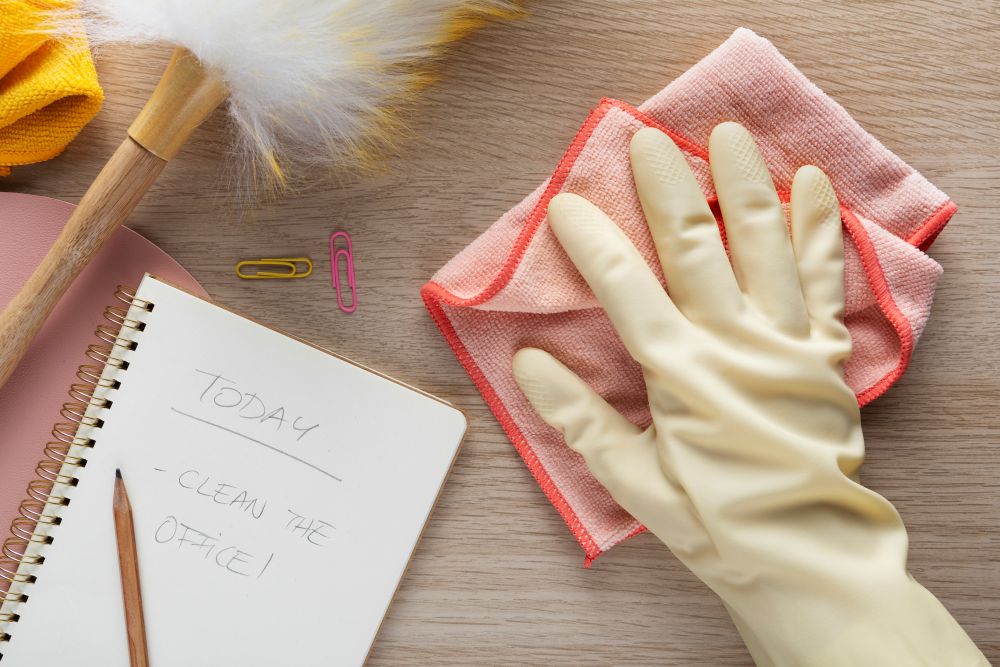
Winter cleaning in Centerville homes calls for a safety-first approach to protect you and your family. From icy walkways to proper chemical storage, several areas deserve attention before you start scrubbing. A dependable cleaning team knows these precautions well, and now you can follow the same steps at home. This checklist covers outdoor safety, ventilation, slip prevention, ladder use, and fire safety measures. Use these tips to tackle your winter cleaning with confidence.
Outdoor Safety Precautions
Start by walking through all outdoor areas and checking driveways and walkways for ice buildup to prevent slips and falls. Grab some sturdy boots, a flashlight, and a shovel before you head out. Walk the full perimeter and look for any icy spots that need attention. Break up ice using salt or a de-icing product to create safer paths. Check that handrails and staircases are stable and free of hazards. Make sure outdoor lighting works properly so you can see clearly during dark winter evenings. Store or anchor outdoor furniture and equipment securely so they don’t become hazards during strong winds or icy conditions. These steps help create a safer outdoor space for everyone.
Proper Ventilation Practices
Good ventilation keeps indoor air quality high and helps prevent health issues during the colder months. Clean air vents and filters regularly to stop dust and debris from building up. Use exhaust fans in bathrooms and kitchens to remove excess moisture and odors. Opening windows for a few minutes, even when it’s cold outside, helps circulate fresh air and reduces indoor pollutants. Air purifiers with HEPA filters can trap allergens, improving the air you breathe. Check vents and ductwork for any blockages that might restrict airflow. Following these ventilation practices helps Centerville homeowners maintain a healthier indoor environment year-round.
Handling and Storing Chemicals
Proper handling and storage of cleaning chemicals keep your home safe and organized during winter cleaning. Read and follow all label instructions carefully before using any product. Wear protective gear, such as gloves and eye protection, when handling chemicals. Store products in their original containers in a cool, dry spot away from sunlight and heat sources. Keep chemicals out of reach of children and pets by placing them in high cabinets or locked storage areas. Never mix different chemicals since this can cause harmful reactions. Dispose of old or unused chemicals properly in accordance with local guidelines. These practices help maintain a secure environment in your home.
Preventing Slips and Falls
Regular maintenance around your home goes a long way in preventing slips and falls during winter. Follow these steps to stay safe:
- Keep Walkways Clear: Shovel snow and ice from walkways regularly.
- Use Anti-Slip Mats: Place mats near entryways to catch moisture and prevent wet floors.
- Proper Footwear: Wear shoes with good traction when walking on slick surfaces.
- Secure Rugs and Carpets: Use non-slip rug pads to keep carpets from shifting.
- Well-Lit Areas: Ensure all walkways and stairs are well-lit to avoid tripping hazards.
Using Ladders Safely
Safe ladder use during winter cleaning starts with checking stability and proper placement before climbing. Inspect the ladder for any damage or defects first. Set it on a flat surface and confirm all four feet sit securely on the ground. Keep three points of contact when climbing: two hands and one foot, or two feet and one hand, should always touch the ladder. Stay centered between the rails and avoid leaning too far to either side. Never stand on the top two rungs. Make sure the ladder can hold your weight plus any equipment you carry.
Fire Safety Measures
Regularly checking and maintaining smoke detectors is a key part of winter fire safety in Centerville homes. Fresh batteries and monthly testing can prevent devastating fires. Having a fire escape plan and practicing it with everyone in your household builds preparedness. Keeping flammable materials away from heat sources reduces fire risks. Regular inspections of heating systems and chimneys catch obstructions or damage before they become problems. A fire extinguisher adds an extra layer of protection when used correctly.
- Check smoke detector batteries monthly
- Practice the fire escape plan with household members
- Keep flammable materials away from heat sources
- Inspect heating systems and chimneys regularly
- Have a fire extinguisher and know how to use it
Related Topics: